Healthy vision is crucial to the reading experience, yet many readers overlook simple steps that support long-term visual comfort.
In a world dominated by screens and fast information, eye strain has become increasingly common, and it can quietly erode the pleasure of settling down with a book. Fortunately, a few practical habits can protect eyesight and keep reading enjoyable for years to come.
Healthy eye care does not require extreme daily routines or specialist equipment. Most changes are small, inexpensive and easily folded into reading habits you already have. The aim is not to cure or prevent medical conditions, as only qualified professionals can do that, but to reduce unnecessary strain and help your eyes work at their best.
Why Eye Comfort Declines While Reading
Reading for more extended periods demands sustained focus at close range. This keeps the ciliary muscles in the eyes contracted for longer than they are naturally designed to hold. Over time, this can lead to temporary blur, headaches, tiredness and that familiar urge to rub your eyes.
Digital screens add further challenges due to glare, blue-light intensity and reduced blinking, but small daily adjustments relieve the pressure and help maintain clearer, more comfortable vision before tiredness sets in.
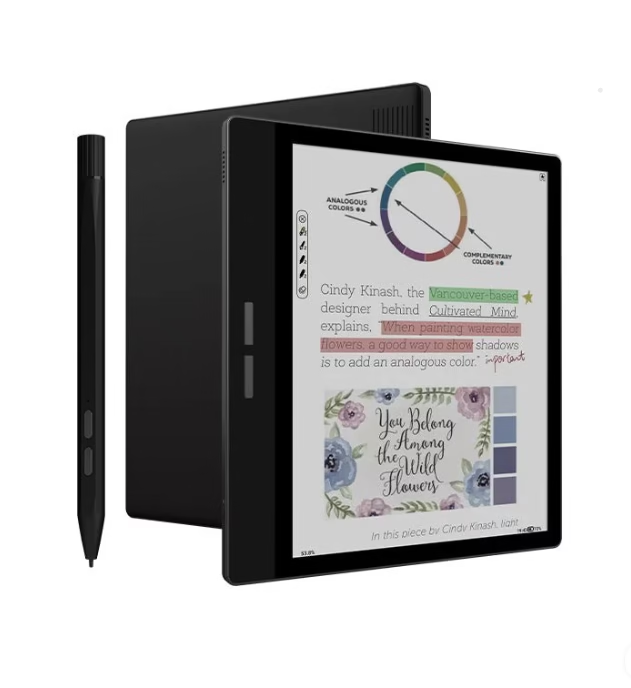
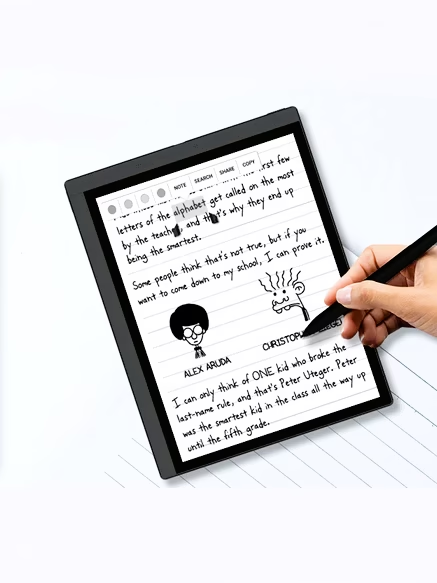
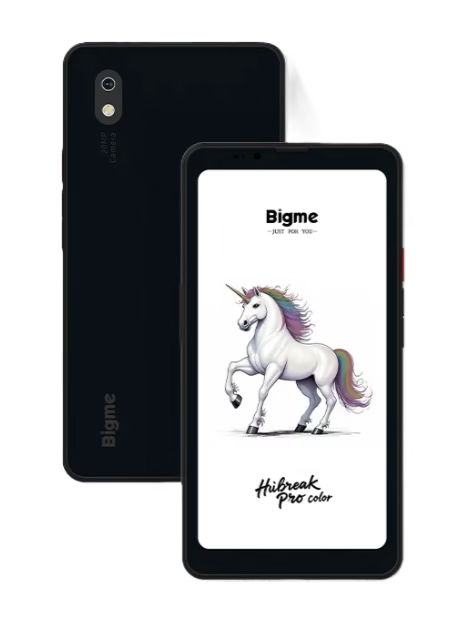
Advertisement: BigMe – The Best E-Ink Tablets For Reading And Note-Taking

Simple Habits That Protect Reading Comfort
Position Lighting Correctly
Poor lighting is one of the quickest routes to eye strain and discomfort. Your eyes have to work harder to distinguish text from the background. Good lighting reduces the effort your eyes must make to interpret text. Natural light is ideal, though indirect light is important to avoid glare.
Avoid reading in dim light, which causes pupil dilation and can increase glare, leading to discomfort. The best setup involves placing a direct, adjustable light source onto the page or screen. For a book, the light should shine directly onto the text.
However, be careful of harsh overhead lighting or light reflecting directly off a glossy page or screen (glare). Aim for soft, balanced ambient light in the room, with a dedicated, adjustable desk lamp for reading physical books. For screens, position your device to avoid reflections from windows or lights and consider using a matte screen filter.
Mind Your Distance and Posture
Holding reading material too close forces your eye muscles to converge intensely. The ideal distance for reading printed books is the ‘Harmon Distance’, which you can find by placing a closed fist under the chin and extending to the elbow.
When reading on a tablet, phone or laptop, hold the screen around an arm’s length away and position it slightly below eye level. This reduces neck tension as well as strain caused by being too close to intense digital light. Increase text size to help you maintain a safe distance naturally, if needed. For print books, a bookmark magnifier or reading glasses, if prescribed, can help maintain clarity without added strain.
Also, the eyes and body work closely together. Slouching or curling into tight positions can encourage you to bring text closer to your face, increasing demand on near focus. A supportive chair, with the back straight and shoulders relaxed, keeps reading distance consistent and reduces unnecessary strain.
Remember to Blink
It sounds almost too simple, but when we concentrate on reading, our blink rate can decrease by up to 60%, causing dry, sore eyes. Make a conscious effort to blink periodically to spread a fresh film of tears across the ocular surface, as it lubricates the eyes and protects the cornea.
Consciously blinking more frequently, or pausing every few pages to rest the eyelids, can make a noticeable difference, but if dryness persists, an optometrist may recommend lubricating drops suitable for your eyes.
Advertisement: Shop the Cutiest Candle Holders You’ll Ever Find







Use the 20-20-20 Rule
This is one of the simplest and most evidence-supported habits for visual comfort:
- Take your eyes from your reading every 20 minutes.
- Look at something about 6 metres (20 feet) away.
- Hold for at least 20 seconds.
This quick reset allows the eye muscles to relax and reduces cumulative strain. If reading often makes the rest of the world disappear, setting a timer or using a dedicated app can help make this an effortless part of your reading session. It can make a significant difference in how long and how well you can read.
Optimise Your Digital Environment
- Adjust Text Size and Contrast: There is no benefit in forcing your eyes to read tiny print. Increase the font size on e-readers or tablets, and choose layouts with strong contrast between text and background.
- Manage Glare: Glare is a major contributor to eye strain. Anti-glare screen protectors, matte e-ink displays, curtain filters for windows, or simply repositioning your reading chair can all help. Activate the ‘night shift’ or blue light filter settings in the evening, and consider using an e-reader with e-ink technology, which is designed to mimic the appearance of paper and is typically easier on the eyes than backlit tablets.
- Take Regular Breaks From Screens: Even if you enjoy e-readers, mix in print books where possible, as paper does not emit light. If you tend to binge-read digital content, make intentional pauses to stretch, rest your eyes or walk briefly.
- Use Appropriate Reading Glasses When Needed: Presbyopia, the age-related difficulty with near focus, eventually affects most people. Using prescribed reading glasses ensures your eyes do not have to work harder than necessary. If you already wear glasses, lenses with an anti-reflective coating may also improve comfort.
Beyond the Page: Holistic Eye Health
Maintaining good vision for a long reading life goes beyond just how you read; it involves your overall health and wellness.
Stay Hydrated and Maintain a Balanced Lifestyle
Good hydration helps maintain tear production, while adequate sleep supports overall visual function. Long-term habits such as a balanced diet rich in leafy greens, omega-3 fatty acids and colourful fruits can also support eye health.
While these habits are not direct ‘fixes’, a healthy, balanced diet is fundamental to improved vision.
Seek Professional Eye Exam and Advice
Even if you don’t feel you have any problems, a comprehensive eye examination with an optician is important. Many serious eye conditions, such as glaucoma and diabetic retinopathy, develop silently with no obvious early symptoms.
However, if reading consistently has been leading to headaches, persistent blur, double vision, eye pain or recurring dryness, it is crucial to consult an optometrist or ophthalmologist.
Regular eye tests, generally recommended every one to two years, not only ensure accurate prescriptions but also help identify conditions that benefit from early treatment.
Keep Your Eyes Comfortable for a Longer Reading Life
Eye care doesn’t have to be complicated. By implementing these simple, proven habits, you are investing in comfort, clarity, and long-term vision, so you can continue your spectacular reading journey well into the future.
If you are curious about the next generation of colour e-readers, explore our guide to three models that go beyond the standard Kindle experience.